Chatbots Are Leading Hikers Astray, With Dangerous Consequences
AI-assisted digest, checked against the original source before publishing. How we work
Search and rescue teams report AI-generated maps, permits, and trip plans sending hikers into trouble in the backcountry.
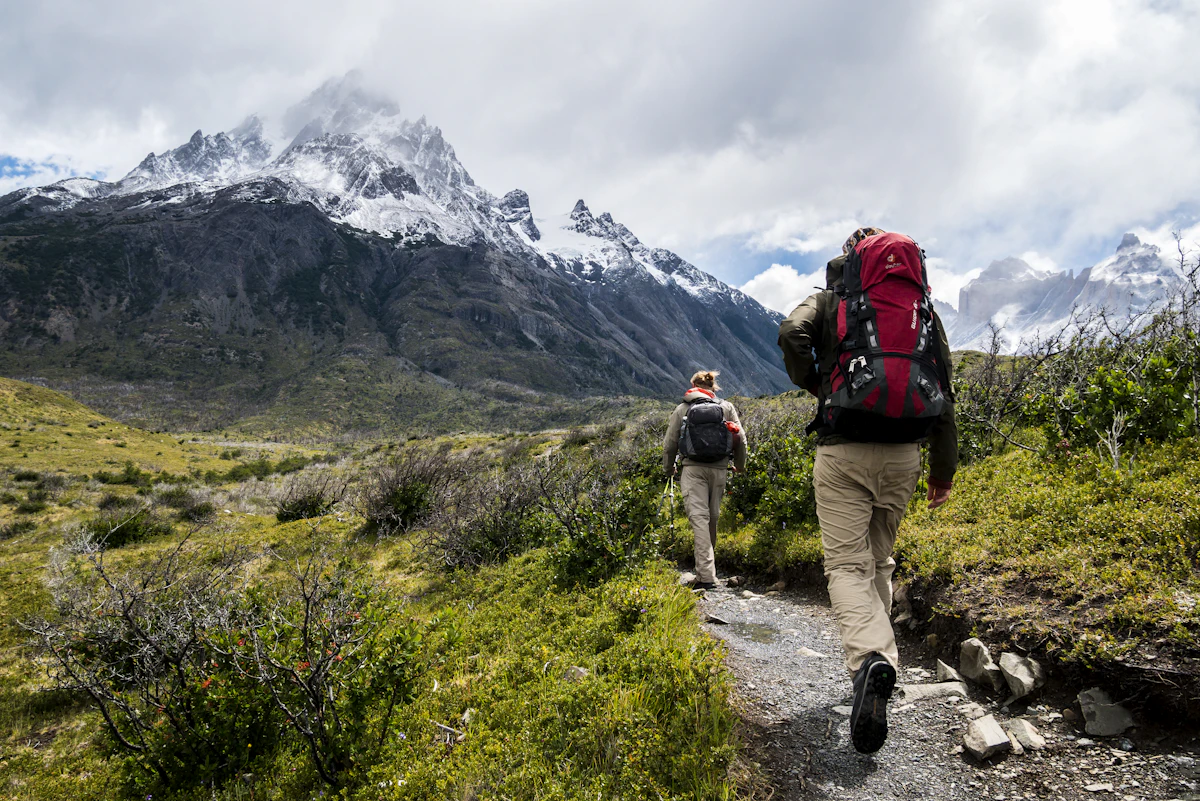
Three 20-year-old hikers who summited Mount Shasta at 7:30 pm and spent a disoriented night on a rocky face told rescuers their poor preparation partly came from relying on Google's Gemini chatbot. They admitted they hadn't brought enough food and had overestimated their fitness, then pressed on instead of turning back in late afternoon. "I think they kind of turned their brains off," said Nick Meyers, US Forest Service program manager of the Mount Shasta Wilderness Climbing and Avalanche Center, which ran the response.
They aren't isolated cases. Meyers said another Shasta visitor pitched her tent beside a "No Camping" sign, insisting AI had told her it was permitted, and his team found a man at a trailhead carrying an AI-generated map that placed prominent features on the wrong side of a nearby mountain. In British Columbia, a helicopter crew pulled a 16-year-old off a ledge on the Widowmaker Arete on Crown Mountain after he used Anthropic's Claude to help plan the trip — though the teen noted he also consulted Google Maps and AllTrails. The story went viral across Canada and the US.
Grand Teton National Park Superintendent Chip Jenkins reported a sharp jump in visitors saying they used AI for travel information, from zero to 26 percent over roughly a year. "I'm guessing that curve is not going to flatten," he said. But the accident picture is murky: Meyers' office averages about a dozen rescues a year and 2026 is tracking average, while Wyoming search and rescue calls have fallen, to 312 so far in 2026 against 466 in 2025 and 377 in 2024.
Veterans note chatbots are only the latest information source to mislead outdoor users, following Instagram a decade ago and, before that, Google Maps and smartphone connectivity. "There's been a phenomenal push in the media to get more people outdoors," said Jim Moss, a Colorado recreation attorney and search and rescue volunteer, adding that it remains unclear how advice from a robot will affect that growing crowd.
Researchers say AI carries a specific hazard: "cognitive surrender." Chris Flathmann, a human-centered computing professor at Clemson who has studied AI and search and rescue, explained that users can go so deep into AI systems that they stop reasoning for themselves — and can't easily resume when conditions turn stressful. Because chatbots answer with confident authority regardless of source quality, a query about an unfamiliar topic can return convincing but fabricated directions scraped from Reddit threads or stale YouTube videos. Unlike Instagram or TikTok, which offer inspiration, AI offers step-by-step instructions, right or wrong. "AI isn't trying to trick people into going up mountains," Flathmann said, "but I think it's the natural evolution of what happens when you get a tool like this." Whether AI-attributable rescues will rise above baseline noise, and whether park services will add warnings or countermeasures, remains an open question.
keyFacts
Mount Shasta rescuers said three hikers who summited at 7:30 pm relied partly on Google's Gemini chatbot.
Another Shasta visitor cited AI as justification for camping beside a "No Camping" sign, Meyers said.
Key facts
- • Instead of turning back in late afternoon when they hadn’t yet reached the top, they summited at 7:30 pm and had to.
- • “But I think they kind of turned their brains off.” The three 20-year-olds aren’t the only ones making missteps in.
- • In British Columbia, a helicopter crew rescued a 16-year-old hiker from a ledge in the Widowmaker Arete on the back.
- • “It went from zero to 26 percent.
Why it matters
Takeaway: Instead of turning back in late afternoon when they hadn’t yet reached the top, they summited at 7:30 pm and had to descend in the dark.
Spotted an error? Send a correction.
Get the day's AI news in one email
The Daily Epoch · 60-second read · unsubscribe anytime