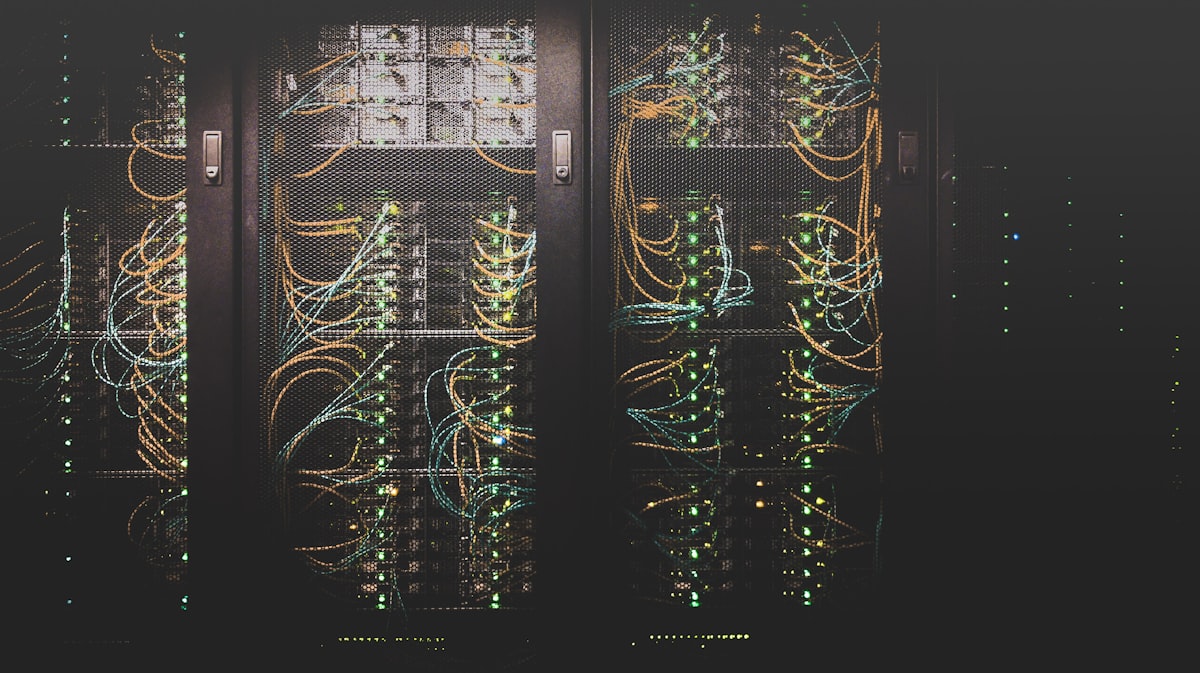
Data centers are getting their own natural gas power plants
AI-assisted digest, checked against the original source before publishing. How we work
With grid interconnection queues stretching toward a decade, data center developers are building private gas plants instead—and the trend is scaling fast.

Data center developers increasingly view the electric grid as too slow to depend on. Interconnection requests kick off a yearslong review in which planners assess transmission lines, transformers and other upgrades needed to serve a large new load—and the wait can run as long as a decade. Rather than sit in that queue, developers are building their own natural gas plants on the customer side of the utility meter, a configuration known as behind-the-meter power. Building on-site generation generally costs more than a grid hookup, but developers are paying the premium to come online faster.
Speed is the driving incentive. "The biggest motivator for on-site power right now from data centers is speed," says Musfika Mishi, an associate at BloombergNEF. Off-grid generation sidesteps the interconnection study entirely, and it can also spare developers from helping fund grid upgrades their load would otherwise trigger. Some behind-the-meter projects still maintain a grid connection rather than operating in total isolation, so the boundary between private generation and utility service is often porous rather than absolute.
The climate arithmetic is less appealing than the schedule. BloombergNEF tracking indicates that if all planned US projects proceed, they would emit 152 million metric tons more CO₂ annually than if those same data centers drew grid power. Experts also caution about lock-in: developers present gas plants as temporary bridges pending a grid connection, but Brendan Pierpont, director of electricity at Energy Innovation, says the shift raises questions about how data centers will be powered going forward. Once capital is sunk into turbines, operators face little incentive to retire them early, potentially cementing decades of fossil fuel dependency.
Costs extend beyond the fence line. Greater gas demand could lift fuel prices for everyone, squeezing the roughly 60% of American households that rely on natural gas for heating and cooking. What to watch: how many announced plants actually reach construction, whether regulators close permitting gaps exposed by the Memphis case, and whether grid operators revise interconnection rules to compete with private generation rather than cede load to it.
Key facts
- • Over 100 behind-the-meter gas plants announced at US data centers as of October 2026 (Cleanview).
- • Combined planned capacity tops 115 GW, more than double California's peak demand.
- • BloombergNEF: 152 million metric tons more annual CO₂ if all projects proceed.
- • Roughly 60% of US households use natural gas for heating and cooking.
- • xAI's Memphis turbines, some unpermitted in 2024, remain in litigation.
Why it matters
Builders facing decade-long interconnection queues now have a proven, if pricier, path to power—but announced capacity far exceeds what's actually under construction, so procurement and permitting risk remain high. Expect regulators and grid operators to respond with faster interconnection reforms or stricter siting rules, since the emissions and household fuel-price externalities land well beyond
Spotted an error? Send a correction.
Get the day's AI news in one email
The Daily Epoch · 60-second read · unsubscribe anytime