How OpenAI turned its coding tools into dots, an always-on personal assistant
AI-assisted digest, checked against the original source before publishing. How we work
OpenAI's always-on assistant repackages its coding tools into a persistent agent — and the company says the hard part is framing, not new tech.

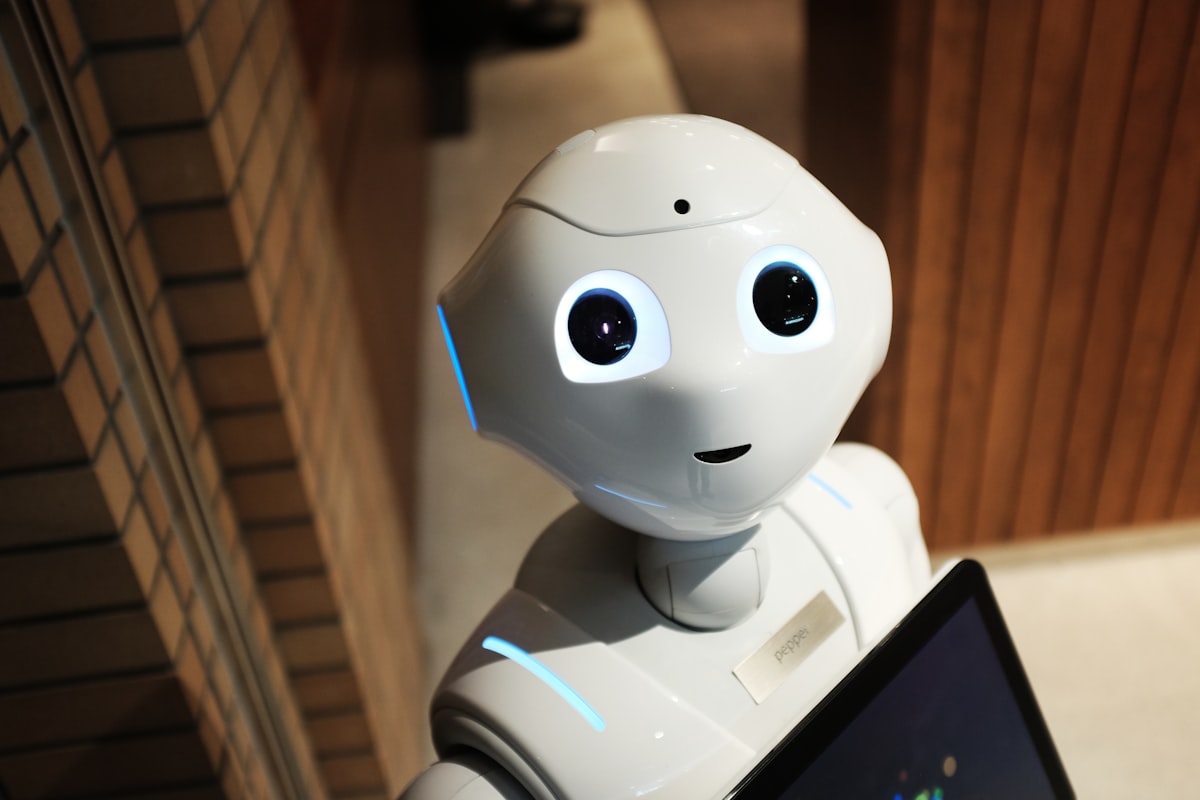
OpenAI released dots, an always-on personal assistant, at its developer day in late September, entering a field where startup Instinct became an overnight sensation and Meta put the full force of its marketing behind its assistant, Muse. Alexander Embiricos, who leads OpenAI's enterprise product team, appeared at TechCrunch Disrupt this month to explain where the product came from, including why AI assistant makers keep reaching for cutesy mascots as avatars for trillion-parameter models.
dots is available in the ChatGPT desktop and mobile apps to subscribers on the Pro tier or higher, with plans starting at $100 a month. Once it is connected to a user's calendar, email, computer and other tools, the agent works to help get things done. Embiricos points out that much of dots' functionality could be achieved with Codex, OpenAI's coding tool released at the beginning of this year, but that path requires more work and hand-holding. He recalled celebrating when his wife started leaving her computer on overnight so her agents could keep working.
On the product side, the emphasis was packaging rather than novelty. Embiricos described "convergent evolution" across assistant efforts, saying the team found that framing the product as an entity within a single conversation, rather than many separate chats, makes it intuitive. "A lot of that isn't building some new piece of tech into the product; it's how you frame it to the user and how it feels," he told Disrupt attendees. That path continued as OpenAI spun ChatGPT Work out of the agentic coding tools it had built for software engineers. The name itself is a play on the negative space inside OpenAI's logo, meant "to feel like just something that could eventually be ubiquitous," though Embiricos said he found out very late that rival entrepreneur Elon Musk owns the dot.com URL.
The premise of a persistent agent is that it does not need prompting. For OpenAI that means more token usage; for users, a more proactive assistant that is, in Embiricos' words, sort of thinking about you and thinking how to help you. In TechCrunch's testing, the ability to think ahead is apparent and often useful, but not quite there: the assistant will flag calendar conflicts and upcoming deadlines, though not necessarily in the most timely fashion. Embiricos shared an early example in which his dot announced an incoming item three minutes before it started. "I only have three minutes!" he said.
Embiricos expects the timing to improve and treats proactive behavior as central to the product, citing an engineer at a drone delivery startup who said his dot had already noticed an outage, analyzed it, and arrived with resolution information before the engineer had noticed anything was wrong. The open questions ahead are whether proactive alerts consistently land early enough to be actionable, how the economics of background, always-on token consumption affect OpenAI's pricing beyond the $100 entry point, and whether dots can make persistence feel indispensable next to Instinct and Muse.
Key facts
- • dots launched at OpenAI's developer day in late September.
- • Gated to ChatGPT Pro tier or higher; plans start at $100 per month.
- • Agent connects to calendar, email, the user's computer, and other tools.
- • Codex, OpenAI's coding tool, was released at the beginning of this year.
- • Embiricos said he learned very late that Elon Musk owns dot.com.
Why it matters
OpenAI is betting that value shifts from model capability to interaction design: a persistent agent that needs no prompting should raise per-user token consumption, making background work a core part of the business model rather than a side effect. Builders should expect the bar for assistant products to move toward anticipation over response quality, and for timing reliability (not just accuracy)
Spotted an error? Send a correction.
Get the day's AI news in one email
The Daily Epoch · 60-second read · unsubscribe anytime