
NVIDIA and Meta to Expand Collaboration on Muse and Muse Family of Models Amid Robust Growth
AI-assisted digest, checked against the original source before publishing. How we work
NVIDIA and Meta are widening a partnership that pairs Meta's Muse model family with NVIDIA hardware, networking and agent-safety tooling — and both companies are framing it around AI agents at consumer scale.
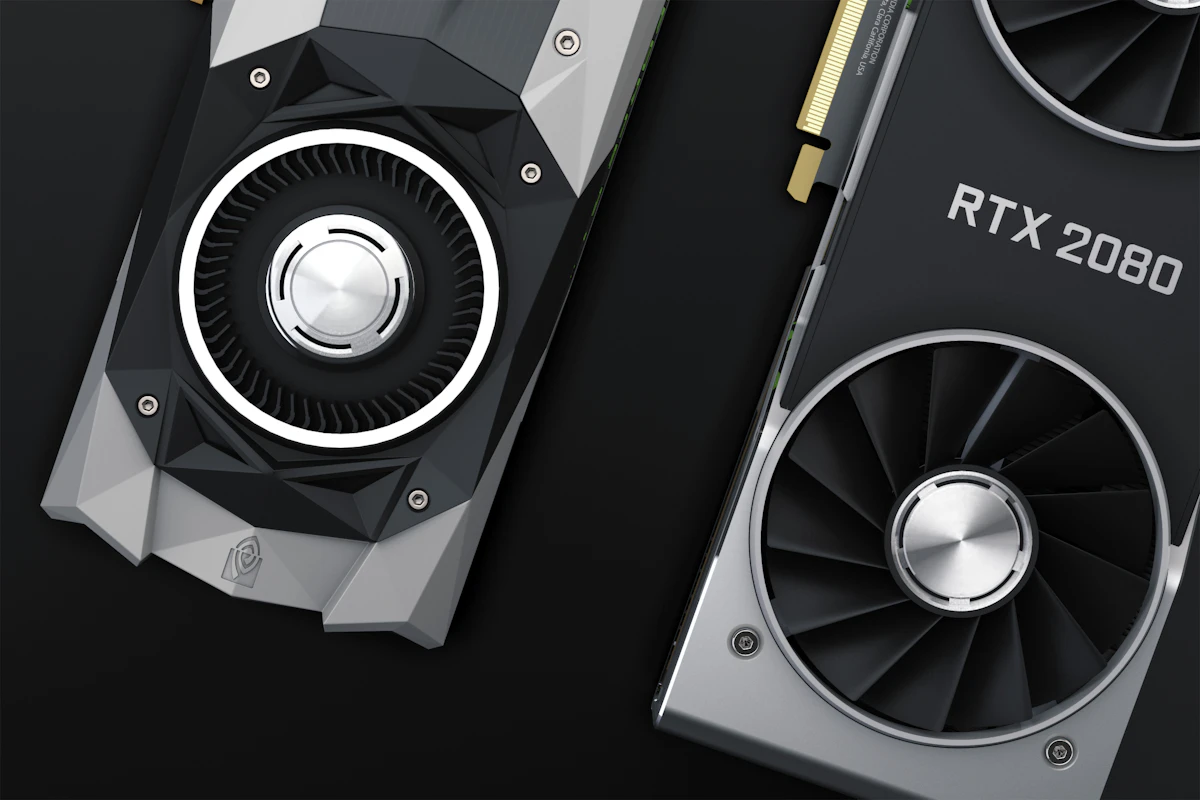
NVIDIA and Meta announced an expansion of their collaboration on Muse and the Muse family of models, with the stated goal of improving inference and training performance. The companies said the push reflects popular demand for useful AI agents. The release also notes the two are considering additional technological collaborations, signaling that this is a framework for continued work rather than a single fixed project.
On Meta's side, the company described its Muse models and agents as running on NVIDIA infrastructure and delivering frontier-level benchmark performance alongside surging consumer downloads since launch. Meta and NVIDIA say they will partner on optimizations across workflows to maximize performance and improve total cost of ownership — a framing that puts cost-per-token style concerns alongside raw capability. The companies are also weighing NVIDIA's OpenShell Reference Architecture, including OpenShell for safe deployment and NVIDIA Sentry for monitoring agent behavior, plus structured, unstructured and graph data processing.
The hardware commitments are specific. Meta intends to expand deployment of NVIDIA infrastructure, including Vera Rubin and Vera CPUs, targeting next-generation AI agents with maximum performance per watt. Meta will also deploy NVIDIA Spectrum-X Ethernet networking and BlueField-4, which the companies tie to network efficiency and throughput. The infrastructure list reads like a full-stack arrangement: silicon, networking, and a DPU for offload.
Both CEOs cast the deal in broad terms. Jensen Huang, NVIDIA's founder and CEO, called AI agents a new computing paradigm — software that understands goals, reasons, uses tools and completes work on a user's behalf — and argued this shifts computing from operating applications to working with intelligent agents. He framed the partnership as end-to-end optimization for capable, efficient and secure AI agents. Mark Zuckerberg, Meta's founder and CEO, described Muse as the vehicle for bringing personal superintelligence to everyone, and said Meta will keep working with NVIDIA on personal agents and frontier models for billions of people.
The press release also references expectations regarding NVIDIA's proposed investment in Meta, including its anticipated completion and applicable closing conditions, which places the technical partnership alongside a financial relationship still subject to closing. As with any forward-looking statement, the companies flag risks including reliance on third-party manufacturing, competitive technology development, and market acceptance of products.
What to watch next: whether OpenShell and Sentry move from 'considering' to committed deployments, and what agent-security monitoring actually looks like in practice at Meta's consumer scale. It is also worth tracking how Vera Rubin and BlueField-4 deployments change the economics Meta reports for serving agents, and whether the proposed NVIDIA investment closes on terms that sharpen or soften the two companies' commercial alignment.
Key facts
- • NVIDIA and Meta are expanding collaboration on Muse and the Muse family of models.
- • Meta will deploy Vera Rubin and Vera CPUs for next-generation AI agents.
- • Meta adding NVIDIA Spectrum-X Ethernet networking and BlueField-4 DPU.
- • Companies are considering NVIDIA OpenShell for safe deployment and Sentry for agent monitoring.
- • Press release references NVIDIA's proposed investment in Meta, still subject to closing conditions.
Why it matters
The deal ties frontier agent development directly to a specific hardware and networking stack, giving builders a preview of the default production config for consumer-scale agents. Watch for OpenShell and Sentry adoption signals and Vera Rubin deployment economics, since those will shape how other teams budget for and secure agents.
Spotted an error? Send a correction.
Get the day's AI news in one email
The Daily Epoch · 60-second read · unsubscribe anytime


