
NVIDIA and Microsoft Expand Accelerated Computing From Azure to Windows PCs
AI-assisted digest, checked against the original source before publishing. How we work
At Microsoft Ignite, the pair widened their full-stack tie-up across Azure infrastructure, Microsoft Foundry model services and edge deployment.
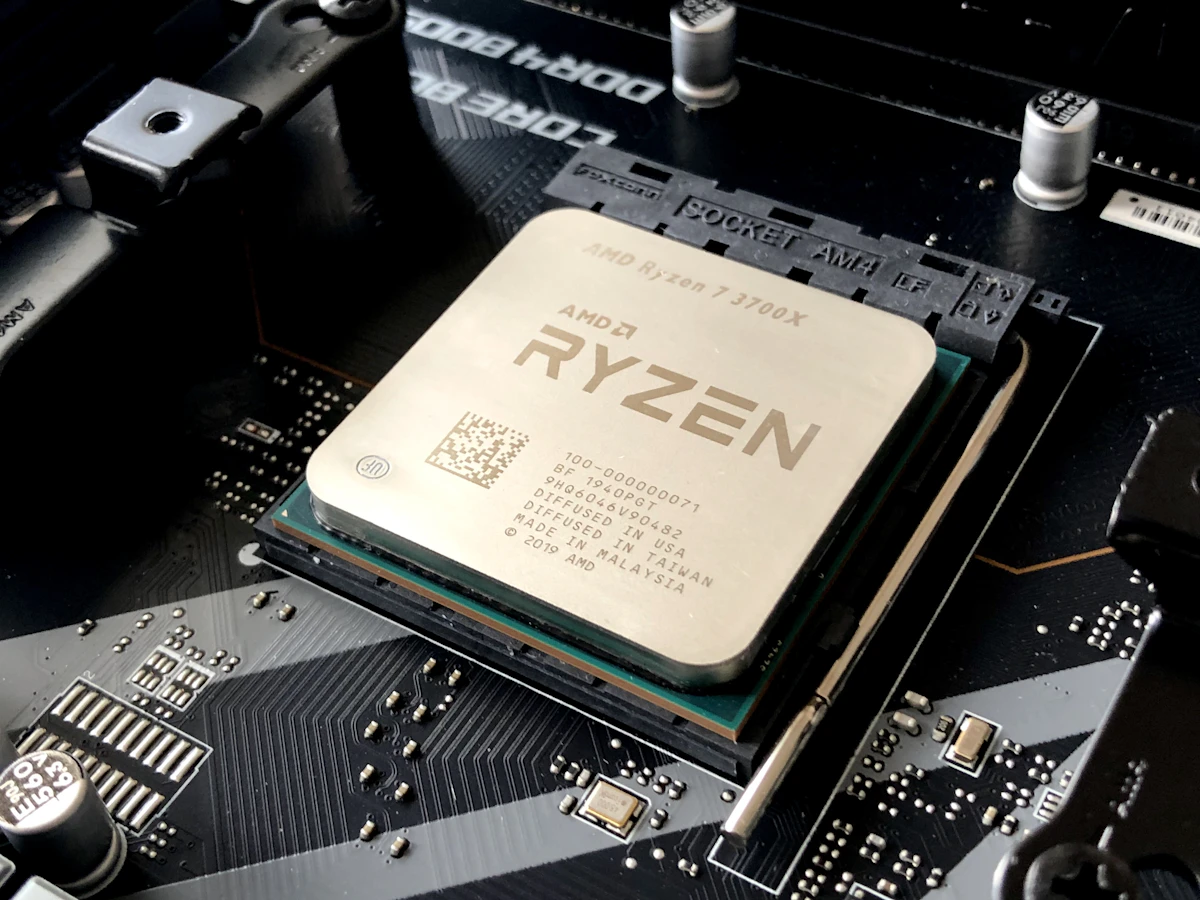
At Microsoft Ignite, NVIDIA and Microsoft extended their full-stack collaboration to cover next-generation infrastructure on Azure, industrial systems and Windows PCs, framed around helping organizations build, customize and deploy intelligent applications.
The headline addition is expanded access to Azure virtual machines powered by NVIDIA Vera Rubin NVL72 systems. Those systems are already running in Azure data centers, described as infrastructure aimed at demanding reasoning workloads, agentic applications and large-scale model training and inference. Alongside the VMs, customer availability of NVIDIA open models and customization capabilities is coming to Microsoft Foundry, plus new options for running AI at the edge where businesses generate and use their data.
The companies are also working to carry confidential computing to bare-metal and rack-scale AI infrastructure, so sensitive models and data stay protected while in use — relevant for organizations handling proprietary or regulated information. NVIDIA's confidential computing and attestation mechanisms let customers verify the computing environment before releasing models, data or keys, and the collaboration aims to stretch those protections across the broader AI factory infrastructure as workloads span more interconnected accelerators. A separate joint effort targets data-center power efficiency through NVIDIA MaxLPS, to draw more performance from available power.
Microsoft is consuming NVIDIA technology in its own stack, using the Dynamo inference software for post-training and RTX PRO 6000 Blackwell GPUs for Bing search models. On the Foundry side, enterprises gain a serverless Programmed Training offering that hands post-training workflow control to developers while Foundry runs the underlying infrastructure, letting teams concentrate on business data, evaluating responses and improving model behavior. Foundry Managed Compute adds support for deploying custom model weights, connecting customization to managed deployment.
The two companies point to recent Blackwell-based MLPerf results as evidence of their codesign and performance tuning: a Training v6.1 run on DeepSeek-V3 was the largest scale in that round, and an Inference v6.1 entry on DeepSeek-R1 interactive throughput topped cloud submissions by a double-digit margin, per Signal65.
What to watch: when the Vera Rubin preview moves to general availability and which Azure regions get it, whether attestation coverage actually reaches full rack scale in production, and how Programmed Training and custom-weight deployment are priced and rolled out — plus what the edge options mean for Windows PC deployments, which the announcement names but leaves undetailed.
Key facts
- • Azure MLPerf Training v6.1 run scaled to 10,240 GB200 GPUs on DeepSeek-V3.
- • Azure GB300 NVL72 led cloud inference submissions on DeepSeek-R1 interactive throughput by over 10%.
- • Microsoft uses NVIDIA Dynamo for post-training and RTX PRO 6000 Blackwell GPUs for Bing.
- • Foundry Managed Compute adds support for deploying custom model weights.
- • Azure VMs on Vera Rubin NVL72 systems expand customer access at Ignite.
Why it matters
Builders get Vera Rubin-class capacity and NVIDIA's open model catalog as managed Azure and Foundry services, so customization-to-deployment pipelines collapse into one vendor surface. Confidential computing reaching rack scale matters for regulated workloads, while serverless Programmed Training shifts post-training plumbing to the platform. Expect the preview-to-GA path, edge options and pricing
Spotted an error? Send a correction.
Get the day's AI news in one email
The Daily Epoch · 60-second read · unsubscribe anytime


