This AI Tamagotchi Turns Everyday Objects Into Needy Virtual Pets
AI-assisted digest, checked against the original source before publishing. How we work
A Carnegie Mellon researcher’s E Ink micro-agents give household objects Tamagotchi-style personalities to nudge better habits.

Daehwa Kim, a fifth-year PhD student in Carnegie Mellon’s Future Interfaces Group, has built OATs — Object Agent Twins — tiny E Ink gadgets that turn ordinary household objects into expressive virtual pets. Kim presented the project at the ACM Symposium on User Interface Software and Technology in Detroit in early November, where it earned two Honorable Mention awards. The design takes its cue from 1990s Tamagotchi toys, whose digital pets demanded constant care. "We bring this joy of caring from virtual to physical objects," Kim tells WIRED.
The hardware pairs an E Ink display with internal and external sensors tracking moisture, temperature, humidity, light, occupancy, and motion, and the main module costs around $20. Sprites are generated with Google Gemini’s Nano Banana image-generation service, producing suites of emotions tied to sensor states. Owners set everything up through a web portal, naming the OAT and selecting sensors; the app then generates "Positive" and "Negative" behaviors from the object’s name and description — for a plant, triggers might include consistent air temperature or low humidity — all customizable. A USB-C port charges the lithium-ion polymer battery.
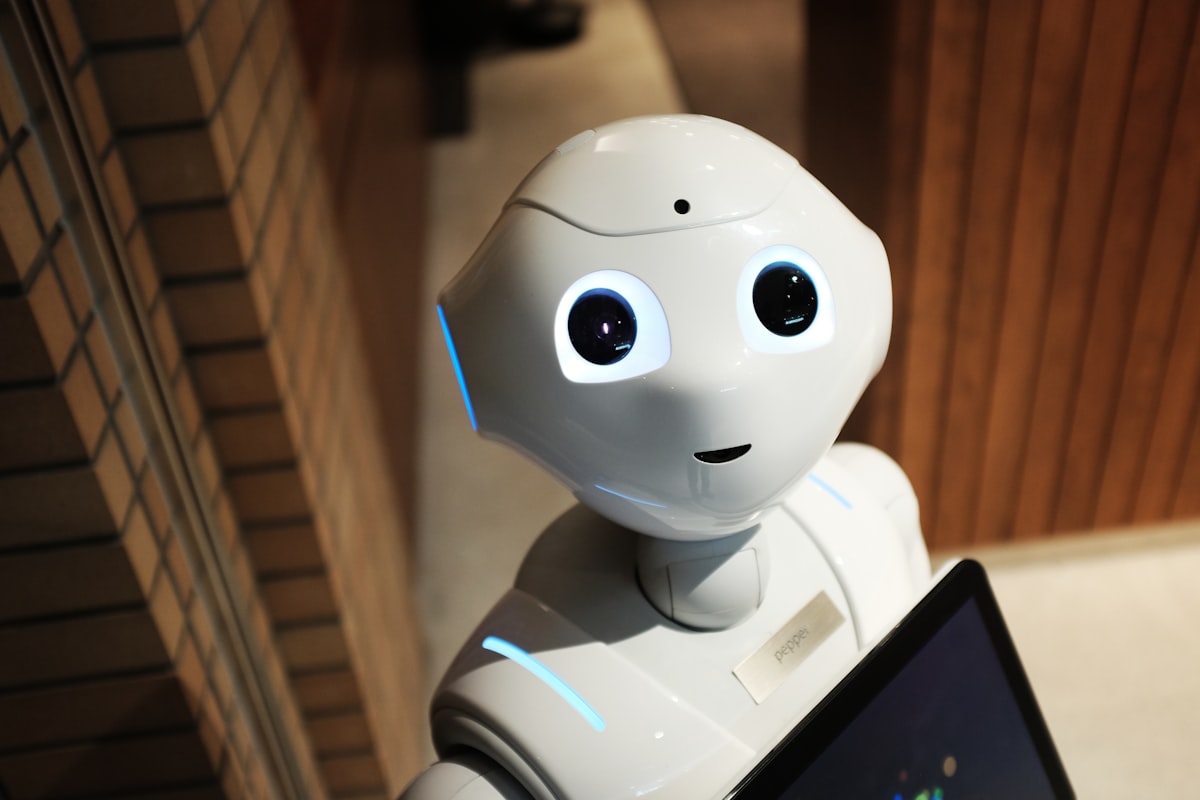
Kim’s motivation was to move AI agent interactions off the smartphone screen, arguing that even task-handling agents still demand attention from a mobile device. The goal echoes a broader industry push to give AI a physical body, from the failed Humane Ai Pin to OpenAI’s upcoming hardware with ex-Apple designer Jony Ive and Meta’s Muse Charm, a pocket-sized gadget housing the Muse AI agent expected to launch in December. Cuteness has become a deliberate adoption strategy across these efforts.
In field distribution, Kim found people used OATs three ways: confirming an object is working, such as a coffee machine avatar lighting up when beans start grinding; warning bystanders, like flagging that a 3D printer is releasing toxic fumes; and tracking personal habits, like a dumbbell avatar encouraging regular lifting. Skepticism persists: battery life runs three to four days, or about one day with a sound-level sensor, making this more proof-of-concept than product. Kim has not decided whether to sell kits, despite encouragement to do so. The demo sparked debate about whether it is proper to anthropomorphize AI sprites with human-like emotions, and the project’s gallery — from animated conference badges to a panda avatar for an Owala water bottle — suggests where user experimentation goes next.
Watch for how Kim resolves the battery constraint and whether the anthropomorphizing debate shapes how such ambient agents are designed and marketed.
Key facts
- • OATs = Object Agent Twins, by CMU PhD student Daehwa Kim, presented at ACM UIST in Detroit in early November.
- • Project won two Honorable Mention awards at the symposium.
- • Main module costs around $20; sprites use Google Gemini’s Nano Banana image generation.
- • Battery lasts three to four days, dropping to about one day with a sound sensor.
- • Meta’s Muse Charm, housing the Muse AI agent, is expected to launch in December.
Why it matters
OATs show how cheap sensors plus generative image models can move AI agents off screens and into physical space, a direction major labs are already pursuing with dedicated hardware. The short battery life and unproven commercial path frame the real bottleneck: ambient, embodied agents need power and sustained user engagement before they become a product category rather than a demo.
Spotted an error? Send a correction.
Get the day's AI news in one email
The Daily Epoch · 60-second read · unsubscribe anytime